Tūturu Summit 2020
News 20 March 2020
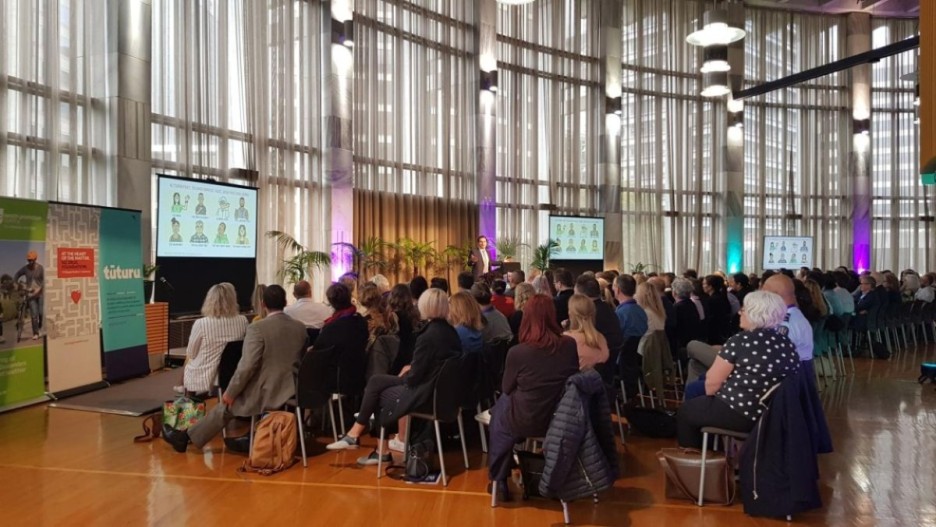
The Tūturu Summit was held at Parliament on 18-19 March 2020, shortly before Aotearoa went into Covid-19 lockdown.
Programme
Wednesday 18 March
Demystifying whole school approaches and alcohol & other drugs
9.00am
Welcome and Mihiwhakatau
Mihiwhakatau
Kura Moeahu
Welcome & Opening Remarks
MC - Red Nicholson, Curative
Welcome Address
Hon Dr David Clark, Minister of Health
9.40am
Keynote address
Setting the scene
Judge Andrew Becroft, Children’s Commissioner
10.00am
Morning tea
10.30am – 11.30am
The Foundations: Schools and wellbeing
This session explored:
-
How to create a positive school environment that reflects Te Tiriti ō Waitangi
-
Youth development and involving young people
Why focusing on Te Tiriti ō Waitangi and student wellbeing is important
Mere Berryman (Ngāi Tūhoe, Ngāti Awa, Ngāti Whare)
Professor at the University of Waikato and Director of Poutama Pounamu
Meaningfully engaging Māori students to promote wellbeing
Kataraina Davis (Ngāti Whātua, Ngāti Hine, Ngāti Kahu) Consultant
Looking at alcohol and other drugs through a wellbeing and development lens
Ben Birks Ang, Deputy Executive Director Programmes, NZ Drug Foundation
11:30am – 12:30pm
A progressive pathway for learning
In this session we will explore:
-
Health learning area and community consultation
-
How my learning area can help students make sense of what they see and hear
Engaging students in shaping the direction of their school
Huntly College student leaders
How the health learning area is shaped to help students construct knowledge and skills, and how to consult the community about it
Dr. Jenny Robertson, Health Education PLD facilitator and resource developer
Developing students’ information literacy skills to discern truthful information from unhealthy or deceptive messages
Steve Langley and Ria Schroder, Collaborative Trust for Research and Training in Youth Health and Development
Using real life contexts to help students make sense of what they see and hear
Bridget Davidson, Assistant Principal, Otago Girls High School
12:30pm
Lunch and networking
1:30pm – 2:30pm
A progressive pathway for support
This session explored:
-
Intentional opportunities to reflect on wellbeing and practice thinking critically
-
How deans, school counsellors, and specialist services can create a progressive supportive pathway
Youth 19 Senior leader/health leader findings
John Fenaughty
Senior Lecturer at the University of Auckland,
Faculty of Education and Social Work
Supporting student wellbeing with infrastructure and support pathways that create learning opportunities
Kim Gotlieb (Ngāi Tahu) Policy Advisor, Whakaata Tohu Tohu/Mirror Services
Working with service providers to offer a progressive support pathway that helps students get support early
Richard Talbot, Director of Student Services, Aorere College
How specialist services can work as part of a school pastoral care team
Tumokai Morgan, Youth Practitioner, Stand Up! and Amplify!
2.30pm – 3.30pm
Leadership structures that enable culture change
This session explored:
-
Setting up the leadership for a whole school approach
-
What you can expect to see in 1-2 years
Leadership structures that enable school development
Robyn Baker, Chair of the New Zealand National Commission for the United Nations Educational, Scientific and Cultural Organisation
Setting up the leadership for a whole school approach
Sue Porter, Assistant Principal and Linda Miller, Principal, Otago Girls’ High School
Student voice can shape policy development
Dr. Annabel Prescott, youth health specialist and Manager Anamata Cafe
What works and what doesn’t work supporting schools, from an external facilitator’s perspective
Raquel Barbiellini & Mike Tuala, CAYAD Auckland
3.30pm – 3.45pm
Final reflections
3.45pm
Close with afternoon tea
Thursday 19 March
Co-designing solutions
9.00am
Welcome
9.15am
Workshops: Part one
Choose from three workshop streams
Leaders
School leaders to create statement of action – what needs to happen
Teachers
Health educators – what does progressive learning for alcohol and other drugs look like
Pastoral
Support staff – co-design new support approach
10.30am
Morning tea
11.00am
Workshops: Part two
Continuing an exploration of the stream you started in earlier in the day
Leaders
School leaders to create statement of action – what needs to happen
Teachers
Health educators – what does progressive learning for alcohol and other drugs look like
Pastoral
Support staff – co-design new support approach
12.30pm
Lunch and Networking
1.30pm
Reflecting back
Workshop participants were invited to present insights and learning taken from each workshop back to the whole summit
2.30pm
Closing remarks and Whakakapi
3.00pm - CLOSE OF DAY TWO
Speakers
Below is a list of speakers who presented at Tūturu Summit 2020 (descriptions were accurate as at March 2020).
Dr. Annabel Prescott
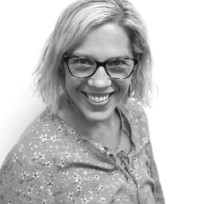
Dr Annabel Prescott has both Māori and Samoan whakapapa, and has worked for 20 years in youth health, development and drug use. Annabel is a registered addictions practitioner and clinical supervisor, and was most recently Chief Executive for Anamata Youth One Stop Shop in Taupō. Before that she was a Senior Academic at Unitec and WelTec, where her research focused on drug policy in schools and protective factors for harmful cannabis use amongst young people.
Ben Birks Ang
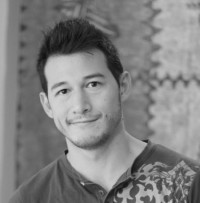
Ben Birks Ang is the Deputy Executive Director, Programmes for the New Zealand Drug Foundation. Ben and his team lead projects that bring different sectors together to improve wellbeing and reduce harm from alcohol and other drugs. He has extensive experience establishing and overseeing school-based, community, and residential drug and alcohol programmes. In addition, he is the Chair of the professional association that oversees the competence and ethics of the addiction workforce in New Zealand.
Bridget Davidson
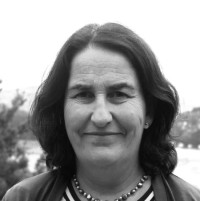 Bridget Davidson is Assistant Principal at Otago Girls’ High School with responsibility for Curriculum. Bridget has also been in Careers, Pastoral and HOD Social Sciences and enjoys bringing real-life learning and wellbeing into the classroom. Recently she has been trialling applying Tuturu concepts in English, Social Studies and senior Geography. Her hope is that with robust AOD education, we can prepare students to make good decisions and prevent dealing with poor outcomes and life-long addictions at the other end.
Judge Andrew Becroft
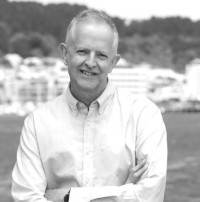
Judge Andrew Becroft was appointed the Children’s Commissioner for New Zealand for an initial two year period from June 2016. Prior to that he was the Principal Youth Court Judge of New Zealand from 2001 to 2016; and was appointed a District Court Judge in 1996.
After graduating from Auckland University in 1981 with a BA/LLB (Honours) degree, he practised in Auckland until 1986 when he then assisted with the establishment of the Mangere Community Law Centre and worked there until 1993. He then worked as a criminal barrister in South Auckland until his appointment to the District Court in Whanganui, from 1996.
In 2009, Judge Becroft received an award from the Public Relations Institute of New Zealand as Communicator of the Year. In 2010 Judge Becroft was the recipient of a Distinguished Alumni Award from the University of Auckland. In 2018 he was the winner of the Public Service Wellingtonian of the Year Award.
Judge Becroft is a former council member of the Auckland District Law Society and the New Zealand Law Society. He is the Patron of the New Zealand Speak Easy Association Inc., which assists those with various forms of speech impediment, and is the Chairperson of the Board of the Tertiary Students Christian Fellowship (NZ) Inc. He is married with three children.
Dr. Jenny Robertson
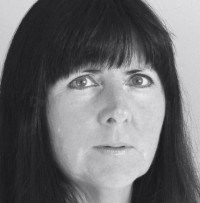
Jenny is professional learning and development facilitator and initial teacher education lecturer in health education, teaching in programmes at the Universities of Auckland and Waikato. She was a writer for the health and physical education learning area of The New Zealand Curriculum and has produced many health education teaching and learning resources. She has also made extensive contributions to the development of the NCEA pathway in health education. Jenny is a life member of the New Zealand Health Education Association and a current member of the executive, supporting the professional development of teachers and acting as an advocate for high quality health education in schools.
John Fenaughty
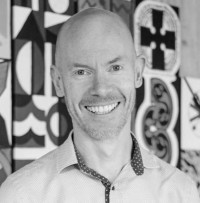
John is a senior lecturer at the University of Auckland, working in the Faculty of Education and Social Work. He has worked in youth development since he founded Queers on Campus at the University of Auckland as a young person himself. Since then he’s worked at NetSafe (where he completed his PhD on young people's wellbeing online) and CORE Education focussing on supporting schools to produce positive digital citizenship.
He now works at the Faculty of Education and Social Work, focussing on how schools can support wellbeing. He’s a named investigator in the Youth ’19 and the Growing up in NZ studies, and lead investigator on a community-wide wellbeing survey for Rainbow young people and young adults.
Kataraina Davis (He uri tēnei nō Ngāti Whātua Ōrākei, Ngāti Hine me Ngāti Kahu).
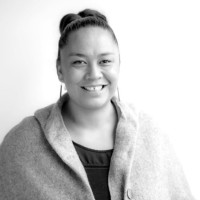
Kataraina is passionate about helping people to fall in love with Māori culture, and understanding the intersection between design thinking and Te Ao Māori. She works as a senior lead at Maurea Consulting.
Kim Gotlieb
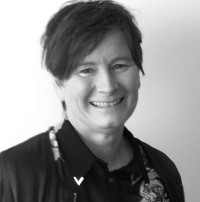
Kim works for Whakaata Tohu Tohu/Mirror Services in Dunedin. For years, she has worked o developing a Whole School Approach to Wellbeing. Kim’s passion is in empowering schools to work with students, developing proactive learning and support models, and moving from behaviour management methods towards supportive, wellbeing approaches.
In the last three years this has encompassed Tūturu and expanding this work to comprise more flexible and targeted approaches for schools. Included in this has been training of staff, leading to growth in confidence, and enabling earlier identification of student issues. The focus has been on formulating appropriate wellbeing responses that provide intentional learning opportunities.
Linda Miller
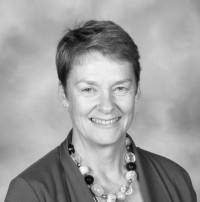 Linda is the Principal of Otago Girls’ High School in Dunedin. She has been in the role for eight years having previously been Principal of Fiordland College in Te Anau, Deputy Principal at Blue Mountain College and Head of Social Sciences at Gore High School. She has also worked as a Review Officer for the Education Review Office and was heavily involved in the original implementation of NCEA. Her driving force is ensuring the delivery of equitable learning opportunities for all students.
Mere Berryman (Ngāi Tūhoe, Ngāti Awa, Ngāti Whare)
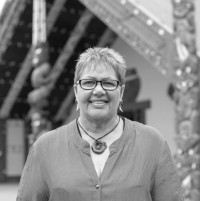
Mere spend more than 20 years as a teacher before beginning work as a researcher in the 90s. She wanted to understand why trajectories of disparity had perpetuated for Māori learners in our education system. Almost two decades of working with schools, to promote Māori students’ educational success as Māori, followed. In this time, historical truths from kaupapa Māori and critical theories have begun to see the disruption of deeply entrenched prejudices.
Mike Tuala
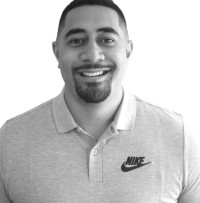
Mike is currently working as a CAYAD (Community Action on Youth and Drugs) Advisor within Auckland Council’s Youth Empowerment Team. His primary focus is around supporting communities to respond to drug and alcohol harm and to take a harm reduction approach.
Mike’s previous mahi consisted of working with rangatahi through Odyssey House’s residential programme and secondary schools’ programme called Stand Up!
He is passionate about educational outcomes for Māori and Pasifika and how we can take more of a holistic approach to wellbeing and mental health.
He is also a board member for both a not-for-profit youth development organization called The Logos Project and a secondary girl’s college situated in West Auckland. He hopes to bring his experience in public health and education together to further improve the lives of rangatahi and community. Mike is a proud New Zealand-born Samoan and is currently leading for CAYAD the Tūturu approach in secondary schools across Tāmaki Makaurau.
Raquel Barbiellini
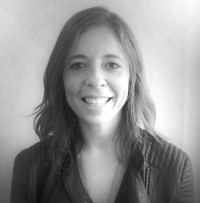
Raquel is an experienced social worker, youth health worker and youth alcohol and other drugs clinician. She has completed her Bachelor in Social Sciences at The University of Sao Paulo in Brazil, a Postgraduate Diploma in Health Sciences specialising in Alcohol and Drug Studies and a Master Thesis in Health Sciences at The University of Auckland.
Raquel has worked for Odyssey House Community Services, CADS Youth Service and Community Action, Youth and Drugs (CAYAD), Auckland Council. Raquel has been involved with the Tūturu pilot since its inception and is passionate about supporting schools take a health-based approach to alcohol and other drugs.
Red Nicholson
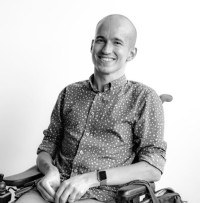 Red has spent much of his working life in the education sector, as a teacher and Dean at Onehunga High School. He has a Graduate Diploma in Teaching (Secondary) and a Masters in Educational Leadership, and now works at Curative, a creative agency inspiring positive social change.
Red believes strongly in the vision of an equitable and diverse Aotearoa, where all people are valued and enabled to live extraordinary lives. A father to two young boys, Red also uses a wheelchair and lives with cerebral palsy.
Red is a firm believer in the power of stories to combat stereotypes and shift societal assumptions about what people are capable of. He likes to think he's changing the way people think about disability, one conversation at a time.
Dr. Ria Schroder
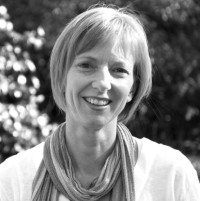
Ria is the Director of the Collaborative Trust for Research and Training in Youth Health and Development (The Collaborative Trust). She has a background in psychology and education and has extensive experience in conducting research with children and young people. Over the years this has included many different areas including sexual development, improving programmes and services to ensure they best meet the needs of children and young people, youth mental health and addiction, youth housing needs and evaluations of a variety of child and youth programmes.
Ria is also a Research Fellow at the University of Otago Christchurch’s National Addiction Centre and is an Adjunct Senior Fellow in the School of Health Sciences at the University of Canterbury. Ria’s keen interest in ethical research practices and promoting the voice of young people in research saw her serve as a member of the New Zealand Ethics Committee before resigning this position to join the Board of the New Zealand Ethics Committee.
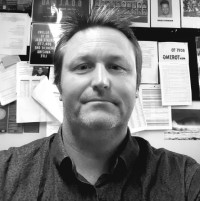
Rich moved to New Zealand from the UK 14 years ago. Throughout this time he has been teaching at Aorere College, a Decile 2 school located in Mangere East, South Auckland. Rich has experience as a Dean, and over the last two years has become the Director of Student Services.
Rich sees pastoral care and guidance as key to a successful and functional College environment. He believes at Aorere College, they have developed a sense of trust and wellbeing with effective systems of identification and support.
Rich believes Tūturu has played a significant role at Aorere with provision of relevant tools and resources aimed at educating young people, so they can make informed decisions around at risk behaviours.
Robyn Baker ONZM
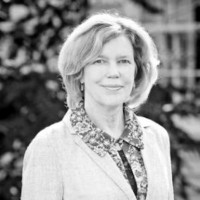
Robyn has contributed to New Zealand education as a teacher, researcher, curriculum developer, teacher educator and leader. She has extensive experience in leading change in organisations and in leading large scale multi-disciplinary projects—often in collaboration with other organisations. She was the Director of the New Zealand Council for Educational Research (2000-2014) and since that time has been involved in a number of national projects that have drawn on her knowledge of leadership, organisational development and governance. Robyn was the Chair of the Teacher-led Innovation Fund (TLIF) selection and monitoring panel (2015-2018). In 2017-18 she was contracted by the Education Council of Aotearoa New Zealand (now the Teaching Council) to coordinate the development of its Leadership Strategy.
Steve Langley
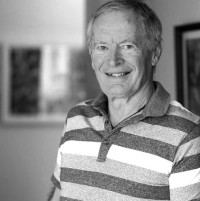
Steve was an English teacher for 40-something years, and a counsellor on the AlcoholDrug Helpline for 20 years. He is a writer and editor, and is currently a musician and the Chairperson of The Collaborative Trust.
Sue Porter
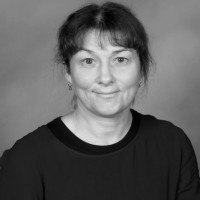
Sue Porter is Assistant Principal at Otago Girls’ High School with responsibility for Pastoral - Student Wellbeing. She joined the team at Otago Girls High School two years ago. Sue has an interest in health promotion and was a Regional Facilitator for NCEA Health when NCEA was first introduced. She also spent some time working as a Health and Physical Education Advisor for the University of Otago College of Education. Applying the principles and practices of Positive Psychology is something that she is keen to promote at Otago Girls’. The Tūturu Project aligns nicely with this and supports the development of protective factors.
Tania Cotter
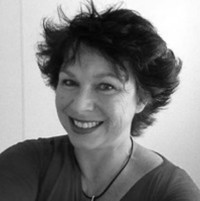
Tania Cotter has a teaching and publishing (developing materials for teachers and learners) background. She has been at the Health Promotion Agency (HPA) as Senior Advisor Education since 2013 ensuring that HPA’s resources and messages for people working in education settings are timely and appropriate. And she supports organisations and associations to embed health and wellbeing good practice in early childcare education services, schools, and tertiary education settings.
Tania is a member of the Tūturu Governance Group.
Tumokai Morgan
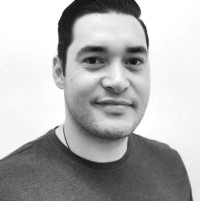
Ko Taupiri te Maunga. Ko Waikato te Awa. Ko Tainui te Iwi. Ko Ngāti Mahuta te Hapuu. Ko Tūrangawaewae te Marae. No Ngaaruawāhia ahau. Ko Tumokai Morgan tōku ingoa.
Before joining the New Zealand Drug foundation whānau, Tumokai previously worked in the addictions sector as a youth alcohol and drug practitioner where he embraced the harm-reduction philosophy. His time spent there only strengthened his passion for rangatahi wellbeing and has spurred him into spaces where he can create, encourage, and promote opportunities for positive outcomes.
Tumokai is also a father of two lively boys and a baby girl who remind him everyday of the untapped potential that resides in everyone. An avid enthusiast of all things sci-fi/fantasy, a habit for thinking outside the box comes naturally.
Recent news
New gaming and gambling resources launched
2 July 2025
Tūturu is excited to announce the launch of a brand new suite of resources to help schools respond to gaming and gambling harm among young people.
Dunedin Whole School Approach Hui 2025 - Bridging the gap between health and education
3 April 2025
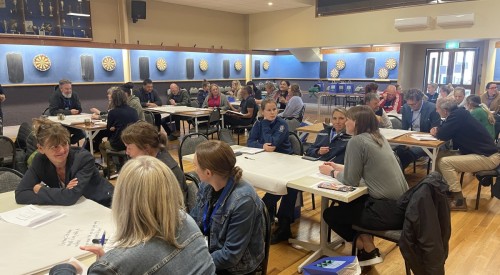
On Tuesday 18 March, our Tūturu team in Ōtepoti Dunedin hosted a Whole School Approach Day Hui for secondary schools and youth agencies.

We've changed how you access our resources
11 February 2025
From 10 February 2025, you’ll need to create a free account to access most Tūturu resources.